


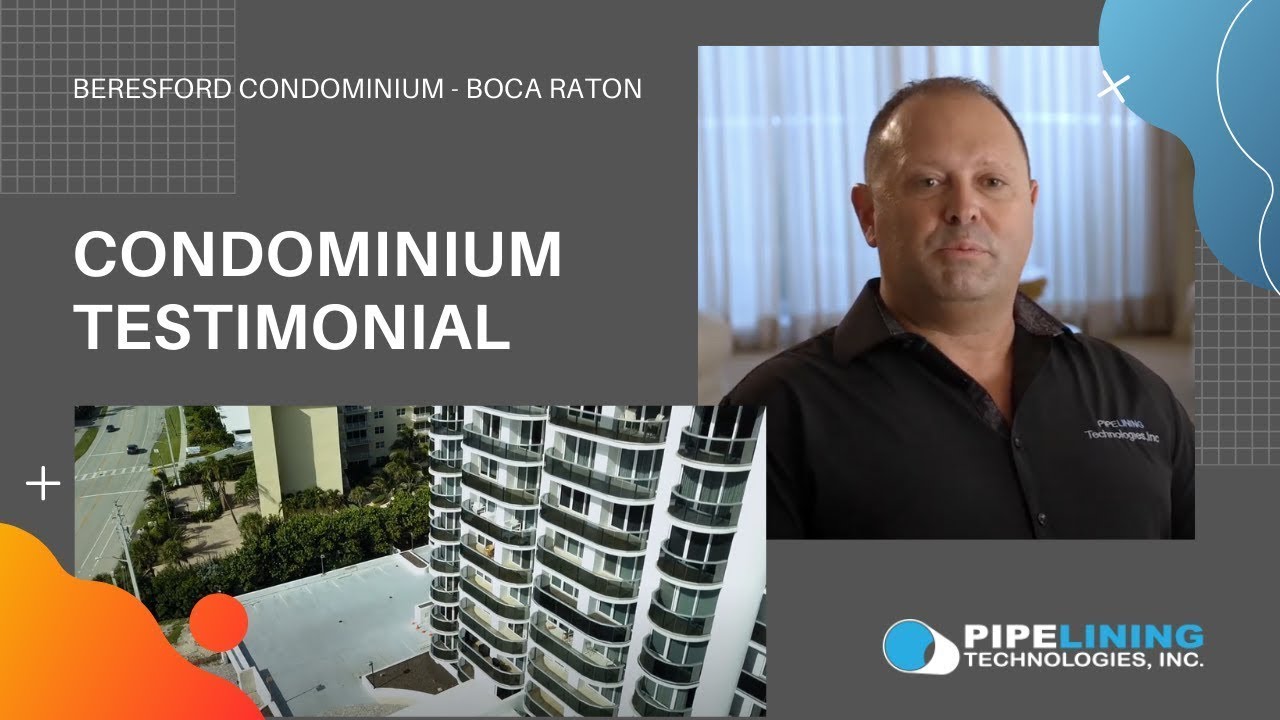
Watch this video for an walkthrough with our team on a recent condominium project in Boca Raton, FL.


Trenchless sewer repair is a method of repairing sewer pipes without destructively digging and removing large portions of flooring, foundation, and walls to expose the building’s pipes. Trenchless pipe repair structurally restores an existing pipe internally by using the failed or deteriorated pipe as a host, rather than by disruptive, costly trench digging followed by conventional pipe repair and subsequent restoration of impacted surfaces (floors, walls, foundation, cabinetry, etc.).
The term “trenchless” by definition simply means “without trenches.” Imagine digging a long, deep path directly through the very foundation your building stands on. This conventional pipe repair practice, though widely used throughout the twentieth century and into the present, can jeopardize the integrity of your building’s slab. It also creates the need for extensive follow up repairs to the building once the plumbing work is completed. Thanks to trenchless technology, this is no longer a necessary risk or added expense.
With trenchless repair, your existing plumbing cleanout (usually located outside your home) and small access points are tapped to restore your drainage pipes from the inside. Usually, portions of inspections and repairs can be administered through the toilet lines – the toilet is removed during service, then reinstalled – or a rooftop vent stacks. With trenchless, the impact on your property is as minimal as possible.
After your sewer lines are thoroughly inspected and hydro and/or mechanically cleaned, a high-tech, flexible, epoxy-saturated tube (liner) is installed directly into your existing drainage pipes. The epoxy cures (hardens) to form a new structural line – essentially creating a new pipe within the old pipe. It is completely sealed and free from all of the previous issues the original pipe contained.
It does not matter if the old pipes had cracks, holes, channeling, age deterioration, scaling, or root intrusion. In most cases, if a substantial portion of the original pipe is intact, trenchless pipe repair can be used effectively.
Since the liner (tube) starts out flexible, it’s able to navigate around most common bends, plumbing connections, even diameter changes. And once it’s hardened, the liner is 100% sealed and solid, locking out all of the old issues and forming a new, structural surface.
The new liner has a life-use expectancy of 50 years! The epoxy liner’s surface is smoother than many older materials which may also enhance ease of use and flow capacity.
Once the new pipe lining is installed, specialized robotic equipment is guided through the pipes to reopen branchlines. This fascinating equipment has live cameras for the operator to view inside the sewer lines and is controlled remotely by a robotics technician. The reinstatement openings verify that the entire drainage system is restored and functions optimally.
Let's Get Started
Our process starts with an in-depth assessment of your existing pipes. We use advanced technology to capture detailed measurements and conditions of your property’s pipes and build a streamlined plan to repair any damaged sections. Our inspections are much more specific than a plumber’s video, but we are always happy to review any current videos you may have.
Give us a call or click below to book your video inspection today!

FAQs
Trenchless sewer repair eliminates the need for large-scale destruction of floors and landscaped areas to conventionally replace the damaged pipes, the costs associated with replacing those surfaces, and limits the exposure to health and environmental risks created by major sewer excavations.
Individual municipalities have varying rules regarding the line where private property (including underground drainage) becomes public property. Generally, your private sewer main, or lateral, becomes the responsibility of the city at the tap to the city sewer. Blockages and backups in the city sewer system can cause backups on private property, so identifying the location of the blockage is very important as it relates to responsibility.
In residential homes, a good rule of thumb is “one liner per day.” For example, if your home has a building main, two bathrooms, a kitchen and a laundry, that is five individual liners, hence five days of work. On large-scale commercial or high-rise condominium projects, more aggressive timelines are typical, with anywhere from two to four liner installations a day.
Pipelining Technologies offers a full five (5) year parts AND labor warranty on every pipe lining job. This is four years more than a conventional Plumber’s one-year warranty and pipe lining carries a transferrable minimum fifty (50) year life-use expectancy.
No. Pipelining Technologies works to stagger brief water shutoffs in a way that residential customers will have some facilities to use each day of the project. Since pipe lining can be performed in a much shorter timeframe than pipe replacement, there are typically only a few days of slight inconvenience in comparison to several weeks of water shut off with conventional pipe replacement.
Lining of vertical stacks in high-rise buildings is amongst the most cost effective and time saving applications of trenchless pipe lining, also known as CIPP, cured-in-place pipe. Conventional replacement of a vertical stack on a building of significant height can take weeks, even months to complete, and the residents are without water to the affected facilities for the entire time. Pipe lining can accomplish the same job in two days by lining from the roof continuously to the underground with little to no need to enter individual units.
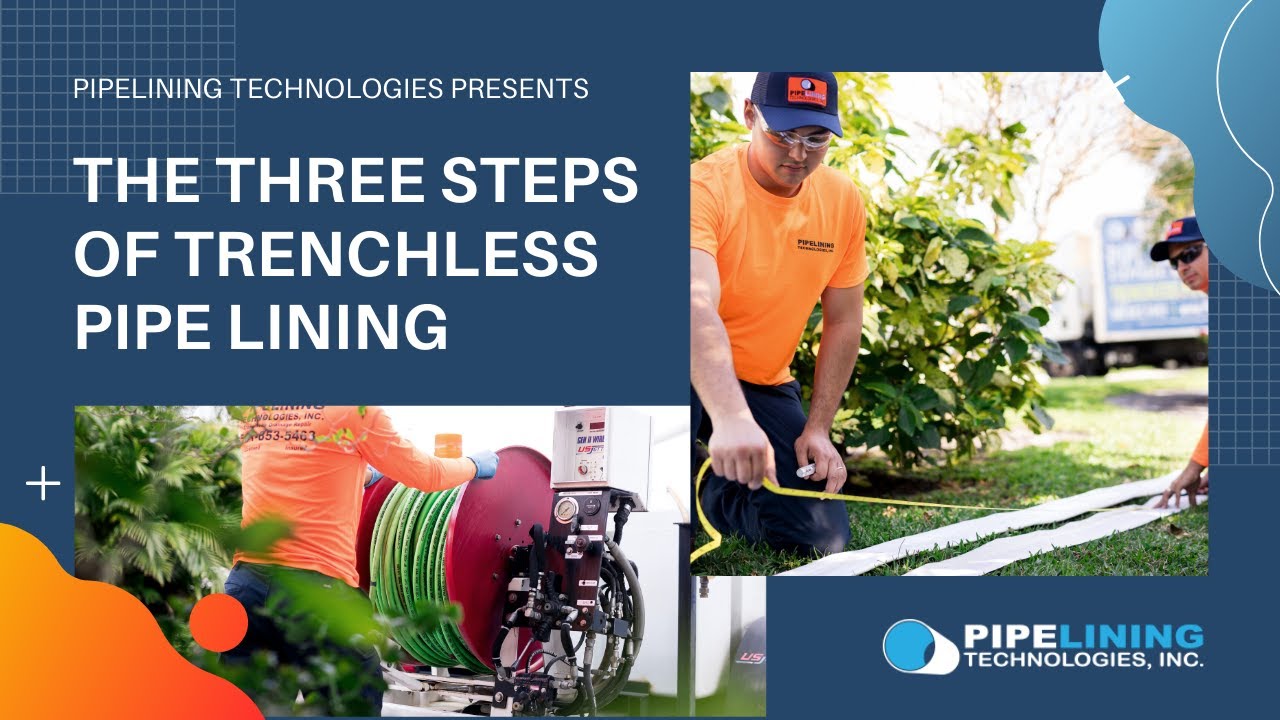
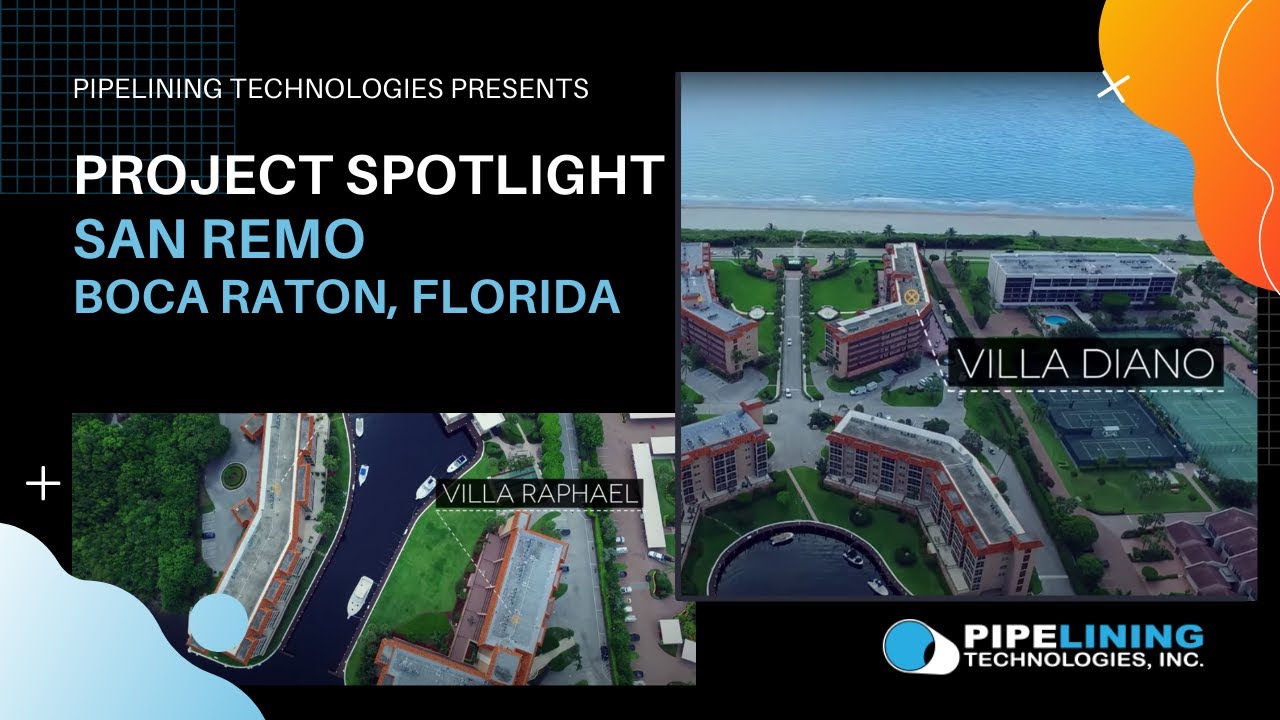
View in-depth videos explaining how the trenchless sewer repair process works as well as project spotlights showcasing some of our past projects.
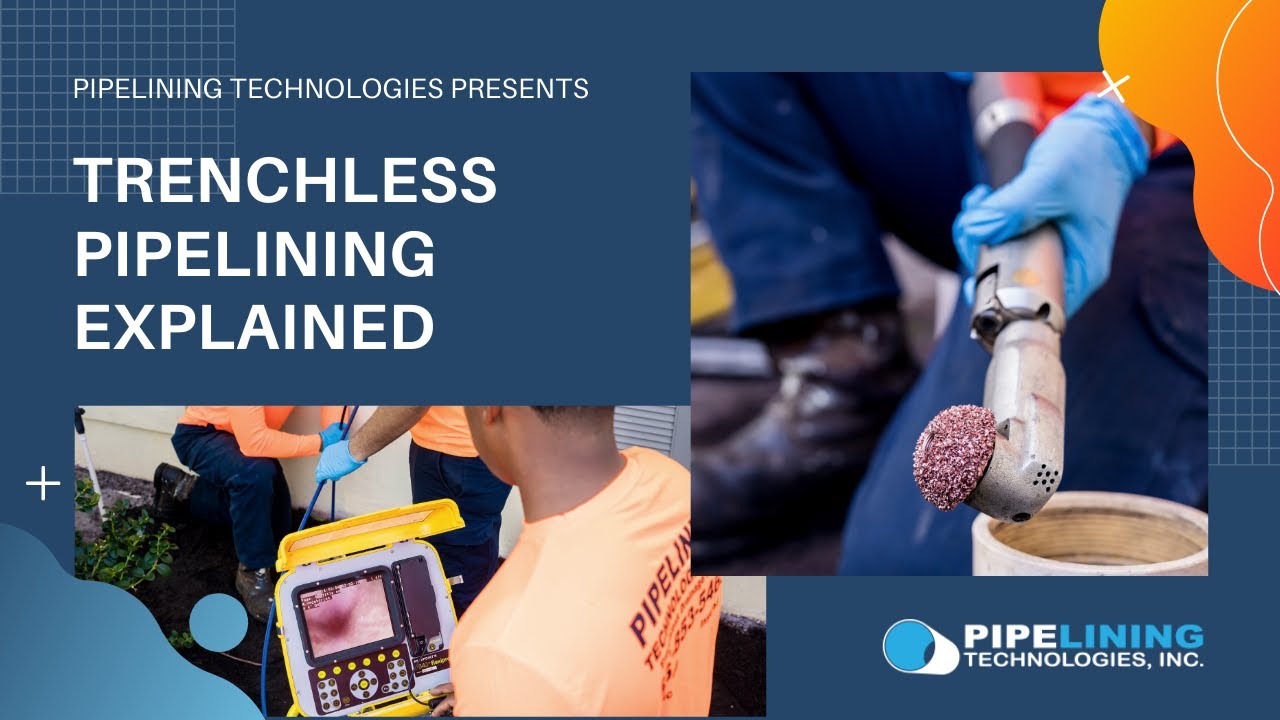


The environmental benefits of trenchless pipe rehabilitation are another feature. Since there is no need to remove old piping, large amounts of hazardous waste are not harvested from within your home or business. There is very little waste produced with trenchless methods of pipe repair.
Compared to conventional pipe replacement’s invasive procedures, which oftentimes requires total service shut down and residents to move out while work is being done, trenchless repairs take about one day per line, on average.
Water shutoff is brief and, in general, there will always be a toilet available for use during trenchless repair with a reputable company.
By removing most, if not all, of the inconveniences of pipe repair – destruction, long repair times, hazardous waste, lengthy water shutoffs, major foundation reconstruction – trenchless sewer repair has become the method of choice for property owners throughout the world.
Trenchless pipe repair methods have been trusted by nearly every municipality in the United States for use on large-diameter pipes running under highways, waterways, and historical areas. Today, small-diameter sanitary sewer pipes found in residential, condominium, commercial, and industrial properties benefit from the reduced time, minimal impact, and cost-savings of trenchless technologies.
We begin all pipe lining projects with a detailed forensic study of the existing pipe system by means of a HD video camera inspection. A digital copy of the video is yours to keep.
The sewer system is cleaned using hydro (water) jetting and/or a mechanical cleaning process that removes scale, buildup, debris, blockages and restores flow in the existing pipes.
Your cleaned pipes are lined with an epoxy saturated tube (liner). The tube hardens and the new structural line becomes stronger than PVC. Robotic equipment is used to reopen branch lines.
We provide trenchless sewer repair throughout much of South Florida. Don’t see your specific area? Give us a call; it’s likely that we can help. Click on the map below to learn more about our local pipe lining projects. And be sure to book a sewer inspection to find out the condition of your drainage pipes.
Real Reviews From Happy Customers
Take a visual tour of some of our projects to get an idea of how Pipelining Technologies, Inc. can help you on your trenchless sewer repair project.
Trusted By These Authorities


Get In Touch. We Just Need Some Quick Info…
Please Do Not Fill Out The Form If You Are a Residential Customer. We No Longer Service Residential Customers.
JOIN THE DYNAMIC AND INNOVATIVE TEAM AT PIPELINING TECHNOLOGIES! EXPLORE CAREER OPPORTUNITIES AND GROW PROFESSIONALLY. VISIT OUR CAREERS PAGE NOW.
¡ÚNASE AL EQUIPO DINÁMICO E INNOVADOR DE PIPELINING TECHNOLOGIES! EXPLORA OPORTUNIDADES DE CARRERA Y CRECE PROFESIONALMENTE. ¡VISITA NUESTRA PÁGINA WEB AHORA!
Our professional technicians are dedicated to caring for your property’s trenchless sewer pipe repair needs throughout the South Florida area including the counties of Palm Beach, Broward, Martin, and St. Lucie. We are pleased to serve the following cities: Boca Raton, Belle Glade, Boynton Beach, Delray Beach, Greenacres, Hypoluxo, Juno Beach, Jupiter, Lantana, Lake Park, Lake Worth Beach, Loxahatchee, Palm Beach Gardens, Palm Springs, Pahokee, Riviera Beach/Singer Island, Royal Palm Beach, Tequesta, The Acreage, West Palm Beach, Wellington, Hobe Sound, Indiantown, Jensen Beach, Palm City, Port Salerno, Sewall’s Point, Stuart, Fort Pierce, Hutchinson Island, Port St. Lucie, Coconut Creek, Cooper City, Coral Springs, Dania Beach, Davie, Deerfield Beach, Fort Lauderdale, Hallandale Beach, Hollywood, Lauderdale Lakes, Lauderhill, Lighthouse Point, Margate, Miramar, North Lauderdale, Oakland Park, Pembroke Pines, Plantation, Pompano Beach, Sunrise, Tamarac, West Park, Weston, and Wilton Manors, Florida.
Pipelining Technologies, Inc. serves the Saint Lucie County, Florida area, providing trenchless sewer pipelining services. Here are some of the cities we serve:
Fort Pierce
Hutchinson Island
Lakewood Park
Port St. Lucie/St. Lucie West
Pipelining Technologies, Inc. serves the Martin County, Florida area, providing trenchless sewer pipelining services. Here are some of the cities we serve:
Hobe Sound
Indiantown
Jensen Beach
Palm City
Port Salerno
Sewalls Point
Stuart
Pipelining Technologies, Inc. is headquartered in and serves the Palm Beach County, Florida area, providing trenchless sewer pipelining services. Here are some of the cities we serve:
Boca Raton
Belle Glade
Boynton Beach
Delray Beach
Greenacres
Hypoluxo
Juno Beach
Jupiter
Lantana
Lake Park
Lake Worth Beach
Loxahatchee
Palm Beach Gardens
Palm Springs
Pahokee
Riviera Beach & Singer Island
Royal Palm Beach
Tequesta
The Acreage
West Palm Beach
Wellington
Pipelining Technologies, Inc. serves the Broward County, Florida area, providing trenchless sewer pipelining services. Here are some of the cities we serve:
Coconut Creek
Cooper City
Coral Springs
Dania Beach
Davie
Deerfield Beach
Fort Lauderdale
Hallandale Beach
Hollywood
Lauderdale Lakes
Lauderhill
Lighthouse Point
Margate
Miramar
North Lauderdale
Oakland Park
Pembroke Pines
Plantation
Pompano Beach
Sunrise
Tamarac
West Park
Weston
Wilton Manners

